
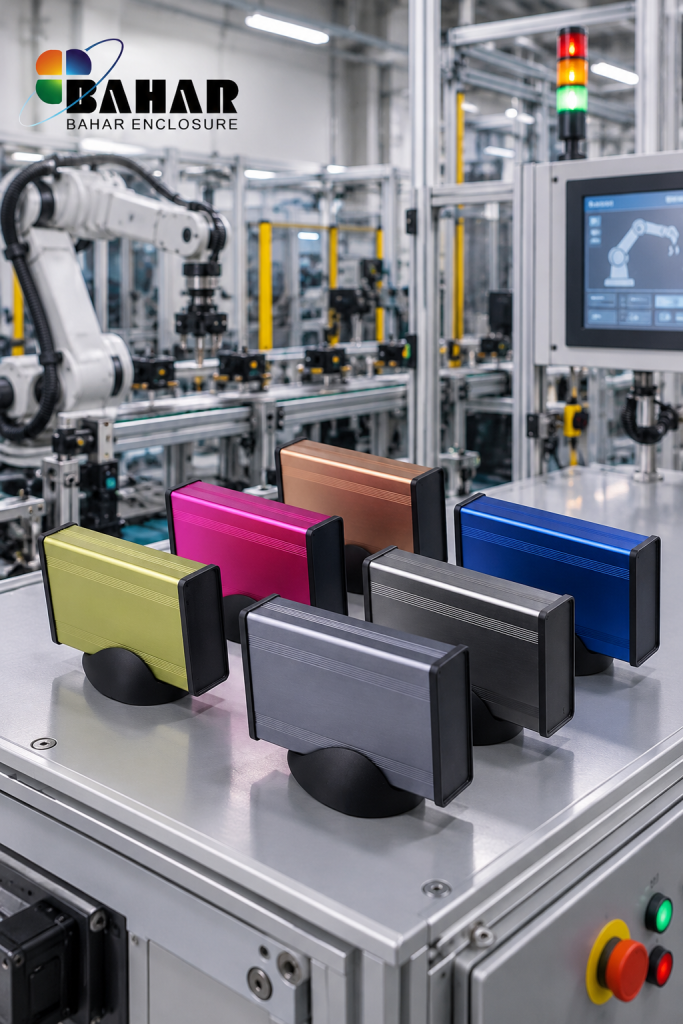
What Are Electronic Enclosures? Types, Materials & Applications
What Are Electronic Enclosures? Electronic enclosures are protective housings designed to contain and protect electronic components such as printed circuit boards (PCBs), sensors, controllers, power supplies, displays, switches, connectors, communication modules, and other sensitive electronic equipment. They are used almost everywhere electronics need physical protection—from small handheld measuring devices and desktop instruments to industrial control systems and outdoor monitoring equipment. The primary purpose of an electronic enclosure is to create a safe and suitable environment for the electronics inside. Depending on the application, an enclosure can help protect components against dust, water, accidental contact, mechanical damage, and other environmental conditions. However, choosing an electronic enclosure is not simply a matter of finding a box large enough for a PCB. Engineers and product designers should also consider enclosure material, internal dimensions, mounting method, component height, cable entry, environmental conditions, IP rating, heat generation, and customization requirements. In this guide, we explain what electronic enclosures are, the most common enclosure types and materials, how IP ratings work, and what engineers should consider when selecting an enclosure for an electronic project. What Is an Electronic Enclosure? An electronic enclosure is a protective housing used to contain electronic or electrical components and separate them …