Professional Enclosure Manufacturer | Custom Solutions
Home > Customization
Bahar Enclosure offers a wide range of standard enclosures but we also provide different customization services to meet the individual requirements and needs of each customer.
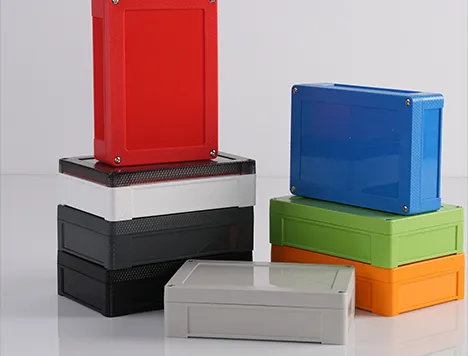
Pick from any RAL options for standard housings. Various finishes available.
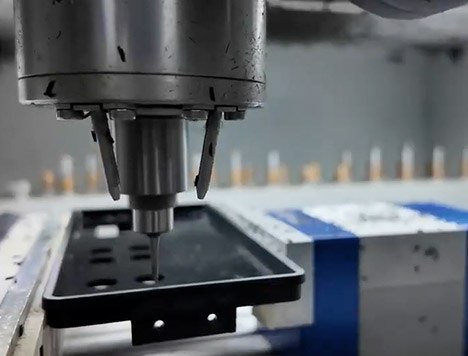
Personalize plastic/metal enclosures with holes or cut-outs. no MOQ! Use our 3D file or share your technical drawing.
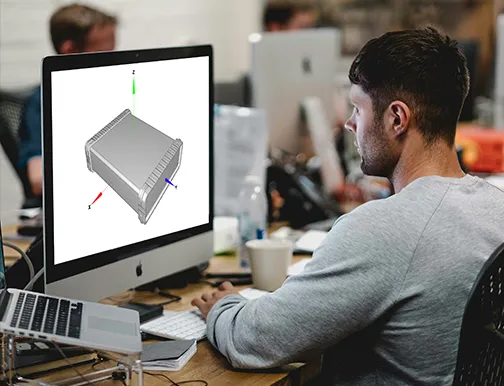
Craft your perfect product with our expertise. We assist in creating tailored designs and offer practical solutions through design consulting.
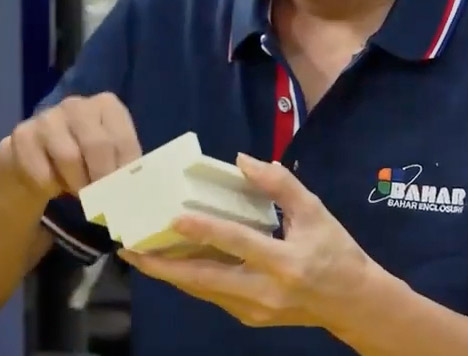
Our extensive mould-making experience supports custom tooling as per your specs. Optimal for mass-producing enclosures with a specific design.
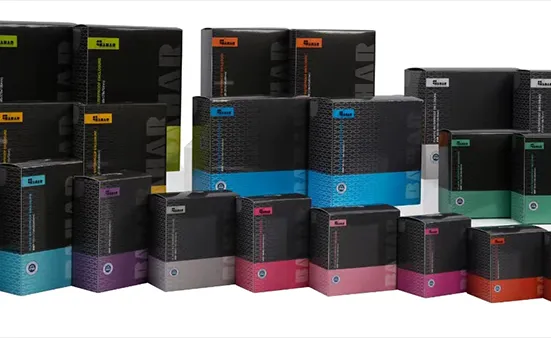
Elevate products with vibrant graphics. Choose UV, Screen, or Laser printing on any enclosure. Customize enclosures, replacing adhesive labels for a personal touch. No MOQ!
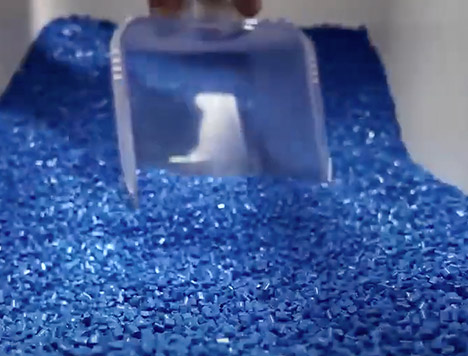
Beyond aesthetics, selecting the right material is vital. Material impacts durability and traits like flame retardance or IP rating. MOQ offers consulting for optimal material selection.
Ask for the quote by sending us the technical drawing of the changes needed by email. Alternatively, you can also use our 3D (stp. and dwg.) files, available for each product to mark your modifications. We will gladly assist you in preparing the specific modifications.
Every electronic product has specific physical and technical requirements. Its enclosure must accommodate circuit boards, connectors, displays, switches and cable entries while protecting internal components. Although standard housings meet many common needs, some projects require specific dimensions, openings, colors, materials or branding.
Customization allows manufacturers to modify existing enclosures or develop new housings to match these requirements. Services such as CNC machining, custom cutouts, surface finishing, printing and injection molding help create enclosures that are ready for product integration.
Bahar Enclosure provides customization services for plastic and metal enclosures, supporting projects that need anything from a few machined housings to dedicated designs for larger production quantities.
This guide covers the main customization methods, material considerations, manufacturing options and information required to request a quotation.
Electronic enclosure customization involves modifying a standard housing or developing a new design to meet specific mechanical, electrical and visual requirements. Common modifications include openings for displays and connectors, mounting holes, cable entries, custom colors and printed identification.
A custom plastic enclosure for electronics can be created by modifying an existing housing or developing a dedicated design and mold. The best approach depends on the required dimensions, material, production quantity and budget.
Customization generally includes two approaches:
Selecting the right approach helps achieve the required functionality while controlling production costs.
Different electronic applications require different modifications. Industrial controllers may need terminal openings, while communication devices may require connector cutouts and branded printing.
Bahar Enclosure offers several customization options for adapting plastic and metal housings.
CNC machining uses computer-controlled equipment to create accurately positioned holes, slots, recesses and openings based on technical drawings or digital design files.
A custom cutout enclosure service can prepare housings for displays, switches, buttons, LEDs, connectors and cable entries. Common operations include:
A custom drilled plastic enclosure can be prepared to match a specific PCB or connector layout. For more complex openings, CNC milling plastic enclosure modifications provide greater flexibility, depending on material, wall thickness and required tolerances.

A custom colored plastic enclosure helps electronic products match a company’s brand identity or installation environment.
Customers may request specific colors, including suitable RAL references, depending on the material and available finishing methods. Custom colors are useful for distinguishing product models, maintaining consistent branding and matching surrounding equipment.
Color requirements should be confirmed early because the finishing method can affect production costs and lead times.
Printing and marking services add logos, product names, operating instructions, warning symbols and serial numbers directly to enclosure surfaces.
A silk screen printing electronic enclosure service is suitable for reproducing text, symbols and graphics consistently across multiple units. UV printing can support detailed, multicolor artwork, while laser marking is useful for precise product identification and technical information.
| Method | Main Applications |
|---|---|
| UV Printing | Detailed graphics, logos and multicolor designs |
| Silk Screen Printing | Product labels, symbols and operating instructions |
| Laser Marking | Serial numbers and technical identification |
| Engraving | Recessed markings and identification panels |
The appropriate method depends on the enclosure material, surface condition, artwork and production quantity.
When standard housings cannot provide the required shape, dimensions or internal features, a custom mold electronic enclosure may be necessary.
Injection molding produces plastic components by injecting molten material into a specially designed mold. It is particularly useful for products requiring unique geometry, integrated mounting features or repeated manufacturing in larger quantities.
Although custom tooling involves an initial investment, it can be practical for recurring production. Tooling costs, expected volume, material and future design changes should all be considered.
Plastic and metal enclosures offer different mechanical, thermal and electrical properties.
Plastic may be suitable when low weight, electrical insulation and flexible design options are important. Aluminum can be considered when low weight, mechanical strength and thermal characteristics are relevant. Iron and steel housings may be appropriate for applications requiring a rigid metal structure.
Other considerations include operating temperature, chemical exposure, UV resistance, flame-retardant requirements and the required IP protection level.
The appropriate process depends on the finished enclosure’s intended function. The following table connects common project requirements with suitable customization methods.
| Project Requirement | Customization Method | Main Consideration |
|---|---|---|
| Connector and cable openings | CNC drilling and milling | Dimensions and positioning |
| Display installation | Precision cutouts | Display size and mounting |
| Product branding | UV or screen printing | Artwork and surface compatibility |
| Serial numbers | Laser marking | Readability and position |
| Special housing color | Custom color finishing | Material and color reference |
| Unique enclosure geometry | Custom mold development | Design and production quantity |
| Internal component installation | Mounting holes and supports | PCB layout and clearance |
| Waterproof cable connections | Compatible cutouts and sealing components | Connector dimensions and IP requirements |
Custom enclosure prototypes help engineers evaluate a design before committing to larger production quantities or dedicated tooling.
A prototype makes it possible to check PCB fit, connector accessibility, display alignment, internal clearance, cable routing and cover installation. It can also reveal problems that are difficult to identify in a CAD model alone.
For example, a connector opening may appear correctly positioned in a drawing but become difficult to access after the PCB and cable are installed. Testing a prototype helps identify such issues before production.
This stage is particularly valuable for products with complex interfaces or multiple internal components.

Front panels provide the physical interface between users and electronic equipment. They may contain displays, switches, buttons, connectors and operating instructions.
A custom acrylic front panel enclosure can be suitable when a product requires a transparent or visually distinctive front section. Panel thickness, mounting arrangements and opening positions must match the enclosure body and internal components.
Similarly, a customized terminal cutout enclosure can accommodate terminal blocks and electrical connections. The design should account for terminal dimensions, cable access, spacing and protective covers.
Incorrectly designed openings can affect assembly and weaken the enclosure’s protection against dust and moisture.
Outdoor and industrial electronic equipment may require additional protection around cable and connector interfaces.
A custom waterproof connector enclosure must be designed around the connector type, cable diameter, mounting arrangement and sealing components.
Important considerations include:
Machining an opening does not automatically preserve an enclosure’s original IP rating. The complete assembly must use compatible sealing components and be evaluated against the required protection level.
OEM plastic enclosure customization allows manufacturers to adapt housing dimensions, colors, openings, markings and internal mounting features to their product specifications.
This service can support electronic device manufacturers, IoT developers, industrial automation companies, communication equipment producers and businesses developing private-label products.
Some projects only require machining and printing on a standard enclosure. Others need a completely new design and dedicated tooling. Accurate technical information helps determine the appropriate manufacturing approach.
Different enclosure structures and materials support different modifications. Bahar Enclosure offers plastic and metal housing options that can be evaluated for project-specific requirements.
These housings are used for electronic equipment requiring protection against dust and water. Customization may include connector openings, mounting holes and printed labels.
When modifying Plastic Waterproof Enclosures, sealing surfaces and compatible waterproof connectors must be considered to maintain the intended protection level.
Desktop housings are commonly used for measurement equipment, controllers and communication devices. A Desktop Enclosure can be modified with display openings, control buttons, connector cutouts and branded printing.
Wall-mounted housings are designed for fixed installation in buildings and industrial facilities. A Wall-mounting Enclosure may require cable entries, mounting points, ventilation features or identification labels.
Portable devices require convenient access to buttons, screens and connectors. A Hand-held Enclosure can be customized with openings for displays, switches and charging ports while considering grip and user comfort.
Industrial housings often accommodate terminal blocks, electrical components and multiple control interfaces. A customized Industrial Control Enclosure can include precision cutouts, mounting holes, terminal openings and printed identification.
Iron and steel housings provide a rigid metal structure for various applications. Modifying an Iron Enclosure may involve drilling, machined openings and surface finishing. Material thickness and corrosion protection should be considered.
Aluminum housings can be machined to accommodate connectors, switches, displays and internal components. A customized Aluminum Enclosure may provide the specific openings and interface arrangement required by an electronic product.

A successful project begins with clear technical requirements. Bahar Enclosure accepts technical drawings and available 3D product files to help identify the required modifications.
The typical process involves these stages:
For complex designs, prototype evaluation can help confirm the result before larger production runs.
Providing accurate information helps the manufacturer assess the project and prepare a suitable quotation.
Before contacting Bahar Enclosure, prepare:
If you do not have a complete drawing, provide the enclosure model and a clear description of the required changes.
Customization costs depend on the manufacturing method, material, design complexity and order quantity. Modifying an existing housing with a few holes is generally different from developing a completely new injection mold.
| Cost Factor | Effect on Cost |
|---|---|
| Machining complexity | Complex openings require additional programming and processing. |
| Material | Plastic, aluminum and iron require different manufacturing methods. |
| Number of modifications | Additional holes and recesses increase processing time. |
| Printing and marking | Artwork complexity and finishing methods affect costs. |
| Custom mold development | Dedicated tooling requires an initial investment. |
| Order quantity | Production volume influences unit cost and efficiency. |
| Inspection requirements | Additional dimensional checks may affect the quotation. |
When a standard housing already meets most project requirements, machining and finishing may be more economical than developing a custom mold.
Bahar Enclosure offers no minimum order quantity for specified machining and printing services on standard enclosures. Custom tooling and other requirements are evaluated separately according to the project scope.
For an accurate quotation, provide the enclosure model, technical drawings, required modifications and estimated quantity.
A reliable customization partner should understand how modifications affect an enclosure’s fit, internal layout, appearance and protection requirements.
Bahar Enclosure combines standard plastic and metal enclosure products with customization options, including CNC machining, cutouts, color modifications, printing, engraving, material selection and custom mold development.
This allows customers to modify existing housings or discuss tailored solutions when standard products do not meet their requirements.
Whether you are developing a prototype, modifying an existing product or planning OEM production, start by sharing your technical specifications with Bahar Enclosure.
Have a custom enclosure project in mind? Send your technical drawing, 3D file or modification requirements to discuss a suitable solution and request a quotation.
Enclosure customization helps electronic products meet specific mechanical, functional and visual requirements without unnecessary design compromises.
Whether your project needs CNC cutouts, drilled holes, custom colors, printed identification, laser marking, acrylic panels or a new mold, the right process depends on the equipment and its operating conditions.
Accurate technical drawings, suitable materials and careful inspection help turn a standard housing or new design into an enclosure ready for integration.
A customized enclosure is an existing housing modified through machining, printing, color changes or additional mounting features. A fully custom enclosure is developed around a new design and may require dedicated tooling.
Yes. Suitable plastic housings can be drilled or CNC milled to create openings for connectors, displays, switches and cable entries. Material and wall thickness must be considered.
Technical drawings and 3D models help communicate the required modifications. STEP, STP and DWG files may be suitable, subject to compatibility confirmation.
Bahar Enclosure offers no minimum order quantity for specified machining and printing services on standard enclosures. Custom tooling and other services may have different requirements.
Yes, if the housing structure allows the required opening. Connector dimensions, mounting clearance, wall thickness and sealing requirements should be checked before machining.
Custom colors may be available, including suitable RAL references. Options depend on the material, surface condition and finishing method.
UV printing supports detailed and multicolor graphics. Screen printing is suitable for consistent logos, labels and symbols. Laser marking creates precise identification details such as serial numbers.
Injection molding is suitable for dedicated enclosure designs and recurring production. CNC machining is often more practical when an existing housing only needs specific modifications.
Yes, when openings are designed with compatible connectors and sealing components. The complete modified assembly must be evaluated against the required IP protection level.
Yes. Depending on the material and surface, UV printing, screen printing or laser marking can be used for logos, product names, instructions and identification details.
UV PRINTING
Maching
Laser CNC
Product Design & Engineering
Plastic Injection Department
Assembly & Packaging